How Alloy Price Volatility Can Affect Distillation Equipment Quotes in 2026
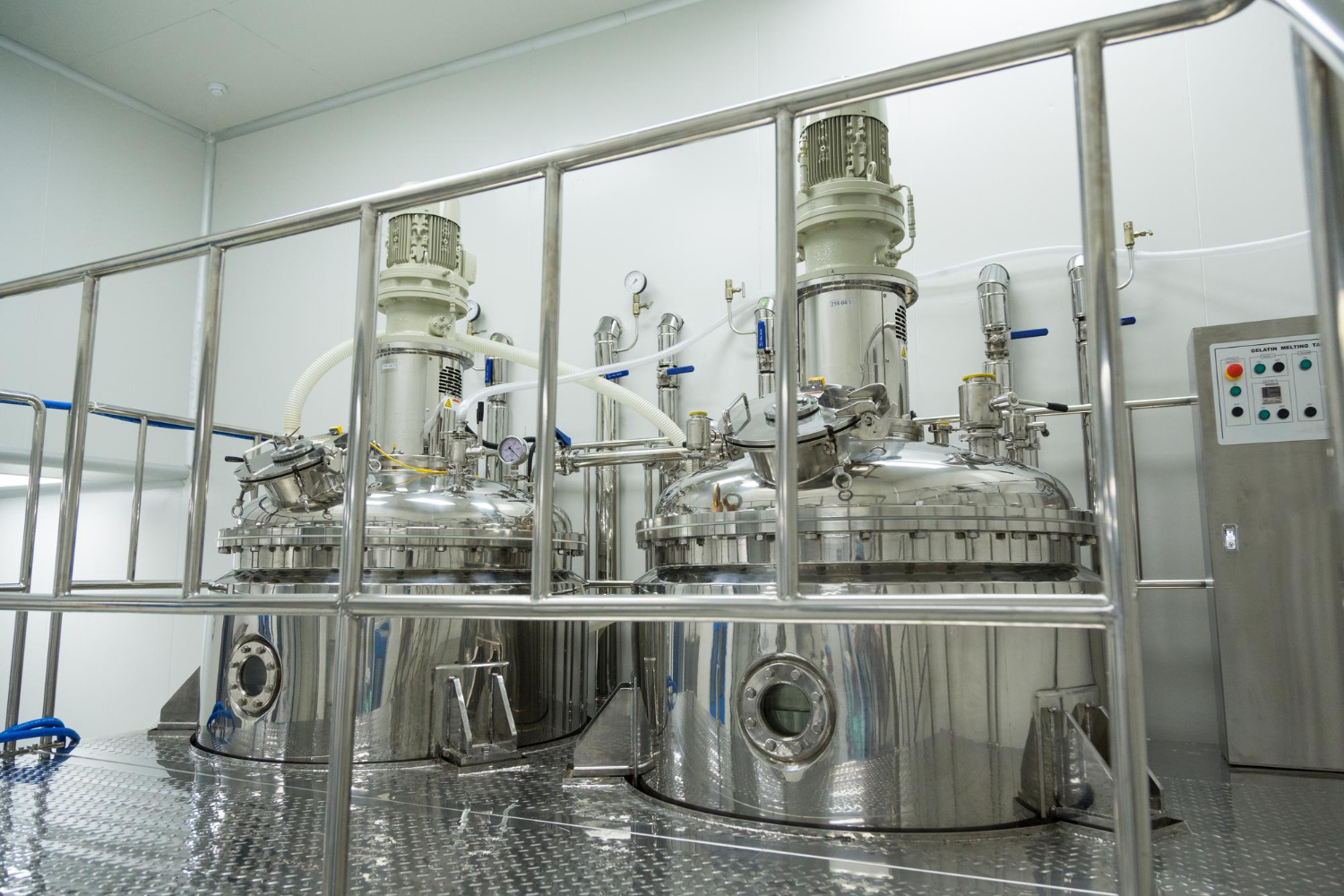
Alloy price volatility can raise distillation equipment quotes, but the effect depends on the specific material grade required, how much of it the system needs, and how customized the configuration is. Standard stainless-steel systems are generally less exposed to price swings than systems built with specialty alloys like Hastelloy or Inconel. There’s no single percentage increase that applies across every quote.
The cost of distillation equipment depends on more than the size of the unit or its advertised capacity. Construction material is another major factor, especially when a process needs a specific alloy for corrosion resistance, temperature tolerance, or compatibility with the material being processed. We run into this conversation with customers constantly, usually right after they’ve seen a quote and want to know why it’s higher than they expected.
At Chemtech Services, Inc. , we build our reactor systems in borosilicate glass and stainless steel as standard, and we also fabricate them in specialty alloys like Hastelloy, Inconel, and Monel when a process calls for it. Material selection is part of the design conversation from the start, not an add-on we tack onto a quote later. When alloy prices shift, how much that actually changes your number depends on the grade, the quantity required, the system configuration, and how much fabrication work is involved.
Why Construction Material Drives Cost the Way It Does
We build equipment in different materials because different processes demand it. The right choice depends on chemical compatibility, operating temperature, vacuum conditions, and what’s actually running through the system.
Material selection touches nearly every line of a quote:
- Raw material cost
- Fabrication and welding requirements
- Corrosion resistance and expected lifespan
- Maintenance needs down the road
- Compatibility with your specific feed
- Overall system price
This is exactly why two systems that look similar on a spec sheet can come back with very different numbers.
How Alloy Price Swings Actually Hit a Quote
Alloy prices move because of raw material availability, production costs, energy prices, and supply-chain conditions well outside our control or yours. When a material’s cost goes up, we have to reflect that in what we quote. But how much it moves the number depends on a few specific things.
How much material the system needs- A lab-scale reactor uses a lot less metal than a production system. The same price increase on the same alloy shows up more on a larger unit with more vessels, piping, and heating surfaces.
Which alloy grade you actually need- Not every reactor needs Hastelloy or Inconel. Standard stainless steel behaves very differently in the market than a specialty alloy, and the gap between them can widen or narrow depending on what’s happening with each material separately.
How customized the configuration is- More stages, larger heating surfaces, and more extensive piping all mean more material, which means more exposure if that material’s price moves.
When we quoted it- A quote reflects the costs we’re working with at the time we write it. If prices shift meaningfully between quote and fabrication, we’ll flag that and talk through whether the quote needs revisiting, rather than let it become a surprise on the invoice.
Why We Don’t Just Recommend the Cheapest Material
Picking a material on price alone is how customers end up replacing equipment sooner than they should. We look at chemical compatibility, corrosion resistance, operating temperature, vacuum conditions, and cleaning requirements before we recommend anything.
A lower-cost material that can’t handle a corrosive feed isn’t actually cheaper. It’s a shorter service life and a replacement bill down the road. Our goal isn’t to sell the least expensive option, it’s to spec a material that meets what your process actually demands without paying for capability you don’t need either.
How We Factor Material Into the Overall Design
We don’t pick a material in isolation. It’s part of the same conversation as feed characteristics, throughput, operating temperature, vacuum level, product sensitivity, and how many stages the system needs. A process running corrosive chemicals gets a different material recommendation than one running a milder feed, and a larger system usually means more fabrication regardless of the base material.
That’s why we’d rather evaluate pricing against your whole process than have you compare material costs in isolation.
Why Two Similar-Looking Systems Get Different Quotes
We see this question a lot: two systems look nearly identical in a catalog, so why are the quotes so far apart? Usually it comes down to:
- Different construction materials or alloy grades.
- Additional separation stages or vacuum requirements.
- Custom feed systems or PLC control options.
- Special surface finishes or added instrumentation.
- Installation and integration scope.
- Fabrication timeline.
A standard system is usually a straightforward quote. A custom one takes more engineering and material review before we can give you a final number, and that shows up in the price.
What to Ask Us About Material-Related Costs
When you’re reviewing a quote from us or anyone else, these are worth asking directly:
- Which materials are actually in this design, and why?
- Are there other construction options that would still work for my process?
- Would a different alloy change performance or compatibility?
- Are material prices locked for the quote period, and how long is it valid?
- Could a material shift affect my delivery timeline?
- What’s included, fabrication, testing, installation, documentation, and what’s extra?
Not Every System Is Equally Exposed to Alloy Swings
A standard stainless-steel reactor with a straightforward configuration is a lot less exposed to alloy price volatility than a highly customized system built in a specialty alloy. The impact also depends on order size, whether material is already in stock, current supplier pricing, and how far along the project is. That’s why we won’t tell you to expect a flat percentage increase across the board. It genuinely depends on what you’re ordering.
How to Actually Compare Two Quotes
Don’t just look at the bottom line. Check whether both quotes cover the same equipment type, comparable capacity, equivalent construction material, similar vacuum capability, the same number of stages, and the same scope for installation, training, and support. A lower number might mean a different material or fewer included components. A higher one might reflect specialty alloy work or added engineering your process actually needs.
Where You Have Room to Manage Cost
There are a few places where we can work with you to manage material-driven cost without cutting corners on what your process needs:
- Confirming whether the specified alloy is actually necessary for your feed and conditions.
- Comparing suitable construction alternatives.
- Locking in technical requirements early, before fabrication starts.
- Sharing complete process data upfront so we’re not overspecifying.
- Asking about quote validity windows and timing your purchase accordingly.
Any material substitution goes through a real review with us first. A cheaper option only makes sense if it still holds up under your process, safety, and compatibility requirements.
Alloy pricing is one real factor in what a distillation or reactor system costs, but it’s never the whole story. The most useful thing you can do is ask us why we recommended a specific material, what the alternatives are, and how each option actually changes your final number.
FAQs
Does alloy price volatility affect every distillation equipment quote the same way?
No. Standard stainless-steel systems are generally less exposed than systems requiring specialty alloys like Hastelloy or Inconel. The size of the order, current material availability, and how customized the system is all change how much a price swing actually affects your quote.
Why would two similar-looking distillation systems have different prices?
Differences usually come down to construction material, alloy grade, number of stages, control options like PLC systems, custom feed systems, and installation scope. A standard configuration is priced more simply than a custom one.
Should I always choose the least expensive construction material?
Not necessarily. A cheaper material that can’t handle your feed’s corrosivity or operating temperature can lead to premature wear or contamination, which costs more in replacement and downtime than the initial savings.
How long is a distillation equipment quote typically valid?
This varies by manufacturer and depends on current material pricing conditions. It’s worth asking directly how long a quote holds and whether alloy price changes during that window could affect the final cost.
Can I reduce material-related costs without hurting my process?
Sometimes. Confirming the specified alloy is actually necessary, locking in technical requirements before fabrication, and sharing complete process data early can all help avoid overspecifying and unnecessary cost.
Tags: Alloy Price Volatility, Factors Affecting Alloy Prices, Molybdenum Price Trends