Epoxies and Acrylics: A Less-Discussed Application for High-Vacuum Distillation
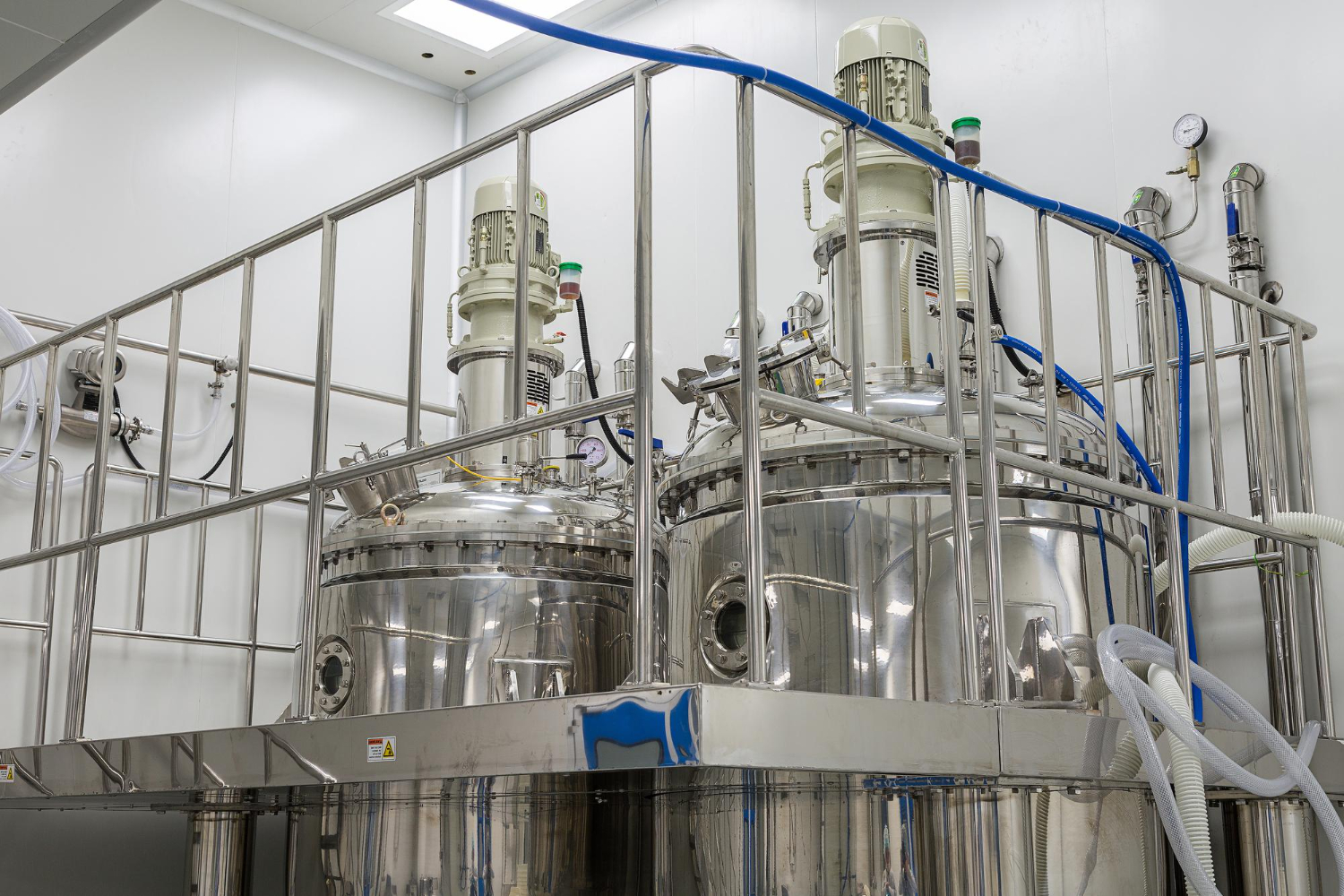
High-vacuum distillation can be relevant for epoxy resins and certain acrylic materials when residual solvents, unreacted components, or low-boiling impurities need to be removed without exposing the material to excessive heat. Whether short path distillation is the right fit depends on the specific formulation’s viscosity, thermal stability, and boiling behavior, not on the general material category alone.
Short path distillation gets talked about most often in connection with oils, pharmaceuticals, and food ingredients. What comes up a lot less, but shows up in our own equipment listings, is epoxy resins and acrylic-related materials. We don’t get asked about this application nearly as often as the others, which is part of why it’s worth explaining.
Whether high-vacuum distillation actually fits an epoxy or acrylic material depends on that material’s composition, thermal behavior, viscosity, and what needs to be separated out. Not every formulation needs distillation. But when a process calls for controlled separation with limited heat exposure, it’s worth a closer look.
Why Epoxy Resins Sometimes Need High-Vacuum Processing
Epoxy resins show up in coatings, adhesives, electrical materials, and composites. Depending on the formulation, they can carry residual solvents, unreacted components, or low-boiling impurities that need to come out before the material is usable downstream.
Some of these materials are also sensitive to heat. Push the temperature too far and you risk changes to viscosity, color, or long-term stability. That’s where high-vacuum distillation earns its place, since reducing pressure lets certain components vaporize at a lower temperature than they would at atmospheric pressure.
We’d consider this approach useful when a process needs:
- Removal of volatile components
- Separation of specific impurities
- Controlled processing temperature
- Reduced thermal exposure
- Recovery of valuable material
- Tighter control over final product quality
The actual requirements always come down to the specific resin and what’s being separated out of it.
Where Short Path Distillation Fits Into Epoxy Processing
Short path distillation uses a heated surface and high vacuum to move evaporated material a short distance to a nearby condenser. That short travel distance limits how long the vapor is exposed to heat, which is the whole point for a sensitive material.
At Chemtech Services, Inc. We’d look at this configuration for an epoxy-related application when it needs high-vacuum operation, short residence time, controlled heating, and a system built around the material’s actual viscosity and feed behavior. It’s not a universal answer for every epoxy resin out there. The material has to be evaluated first to confirm the components involved actually have suitable volatility for the process to work.
What About Acrylic-Related Materials?
“Acrylics” covers a lot of ground, monomers, resins, polymers, coatings, and finished formulations, and what works for one won’t necessarily work for another. Some acrylic materials carry volatile components that need removing. Others are too viscous, too thermally sensitive, or chemically too complex for a standard distillation setup.
Before we’d recommend equipment for an acrylic application, we need to understand the exact composition, whether it’s a monomer or a finished formulation, the boiling range of the components, thermal stability, viscosity, and any polymerization risk. That information tells us whether short path distillation is even the right tool, and if so, what kind of system it takes.
Why Material Behavior Matters More Than the Spec Sheet
A spec sheet can’t tell you whether a distillation system will actually work with your specific epoxy or acrylic material. That comes down to feed-control requirements, wiper configuration, residence time, evaporation rate, and how the material behaves once it’s actually running through the system.
A highly viscous resin needs a different feed arrangement than a low-viscosity one. A material that risks polymerizing or degrading under certain conditions needs carefully controlled temperature and residence time on top of that. This is exactly why we base equipment recommendations on real process data, not on which general category a material falls into.
Does Every Epoxy or Acrylic Material Actually Need Distillation?
No, and we’d tell you that directly if your material didn’t need it. Some materials are better served by filtration, standard evaporation, solvent exchange, thin-film processing, or a combination of methods. It comes down to what needs to be removed or recovered and how the material responds to heat and vacuum. We’d rather walk through the actual separation objective with you before recommending a system than assume distillation is the answer just because the material is an epoxy or acrylic.
What We’d Want to Know Before Recommending Equipment
For an epoxy or acrylic application, this is the information that actually shapes our recommendation:
- Feed composition– what’s in the material and what needs to come out.
- Thermal sensitivity– the temperature range it can tolerate without unwanted change.
- Viscosity– affects feeding, film formation, and heat transfer.
- Boiling range– tells us whether high-vacuum distillation can hit the separation target.
- Product requirements– purity, color, viscosity, stability, and recovery rate.
- Potential reactions– polymerization or degradation risk under heat and vacuum.
- Production scale– lab, pilot, or full production changes the equipment size and configuration.
Why Pilot Testing Can Be Worth It Here
When a material is complex or its separation behavior isn’t well understood, we’d suggest pilot testing before committing to a full system. It gives us real data on feed behavior, operating temperature, throughput, separation efficiency, and recovery, rather than relying on assumptions about how a formulation should behave. That data tells us whether a standard system will work or whether a custom configuration makes more sense, and it takes a lot of the guesswork out of a larger equipment investment.
How Construction Material Comes Into Play
The right construction material depends on the chemical properties of the feed and the operating conditions it’ll face, things like corrosion resistance, chemical compatibility, and cleaning requirements. A material that works fine for one epoxy formulation might not hold up for another. We base that choice on the actual feed and process conditions, not a default assumption based on the material category.
Epoxy resins and certain acrylic materials are a genuine, if less common, application for high-vacuum distillation. But it’s never automatic. Feed composition, viscosity, boiling behavior, and product requirements all shape whether short path distillation is the right call, and what the system needs to look like if it is. The clearest starting point is understanding your material first. From there, pilot testing and real process data tell us whether this is the right approach.
FAQs
Can short path distillation be used for epoxy resins?
It can, depending on the formulation. Epoxy resins that carry residual solvents, unreacted components, or heat-sensitive properties may benefit from high-vacuum distillation, but the specific material needs to be evaluated first.
Are all acrylic materials suitable for high-vacuum distillation?
No. Acrylic monomers, resins, and formulations vary widely in viscosity, thermal stability, and polymerization risk. Some are suitable for distillation, while others are better handled through filtration or other separation methods.
What information is needed before recommending distillation equipment for an epoxy or acrylic application?
Feed composition, thermal sensitivity, viscosity, boiling range, product purity requirements, and any polymerization or degradation risk all factor into the equipment recommendation.
Why would an epoxy or acrylic material need pilot testing before full-scale equipment is selected?
Pilot testing provides real data on how the material behaves under actual operating conditions, which helps confirm whether a standard system will work or whether a custom configuration is needed.
Does every epoxy or acrylic formulation require the same construction material?
No. Construction material should be selected based on the specific feed’s chemical properties, corrosion resistance needs, and operating conditions, since one material may not suit every formulation.
Tags: Laboratory Short Path Distillation, short path distillation, Short Path Distillation Suppliers